Insista en el espíritu artesano para fabricar sistemas de elaboración de cerveza de alta calidad

Email

sales@micetbrewing.com

Teléfono

+86-531-82979225

WhatsApp

+86 18615260186

How Home Brewing and Commercial Brewing Fermentation Tank Designs Are Different?

¿En qué se diferencian los diseños de los tanques de fermentación para la elaboración de cerveza casera y comercial?

Fermenters, at the heart of the beer production process, shape the way wort evolves into beer. Whether in a homebrewing setup or a large-scale commercial brewery, fermenters are pivotal in determining the flavor, aroma, and quality of the final product. This article explores the distinct design characteristics that set fermenters apart between homebrewing and commercial brewing, highlighting how scale and resources influence their form and function.
Table Of Contents
In the world of homebrewing, fermenters maintain a direct connection between the brewer’s creative efforts and the final brew. Here’s how they differ in design compared to those found in commercial brewing.
How Home Brewing and Commercial Brewing Fermentation Tank Designs Are Different?

Size and Capacity

Homebrewing fermenters typically hold smaller volumes, ranging from 5 to 10 gallons, allowing for manageable batch sizes suitable for personal consumption. This limitation allows brewers to experiment with various recipes more frequently.

Materials

Most homebrewing fermenters are made from food-grade plastic such as polyethylene or PET. These materials are lightweight, cost-effective, and easy to clean. Some enthusiasts also use glass carboys for their aesthetic appeal and their ability to showcase the fermentation process.

Simplicity

Homebrewing fermenters are designed for ease of use and cleaning. They often feature removable lids or tops for the addition of ingredients and thorough cleaning. Airlocks are used to release carbon dioxide while preventing contaminants from entering.

Temperature Control

While temperature control is important in both homebrewing and commercial brewing, homebrewers often use simple methods like placing the fermenter in a temperature-controlled space or using water baths and ice packs to regulate temperature.

Commercial Brewing Fermenters

In the realm of commercial brewing, fermenters are optimized for efficiency, consistency, and production at scale. Here’s how their design differs from homebrewing fermenters:

Volume and Capacity

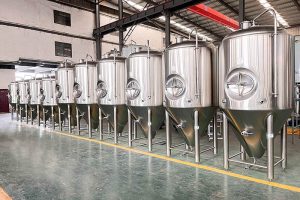
Commercial fermenters are substantial in size, with capacities ranging from hundreds to thousands of gallons. This allows breweries to produce significant quantities of beer in each batch, meeting market demand.

Materials

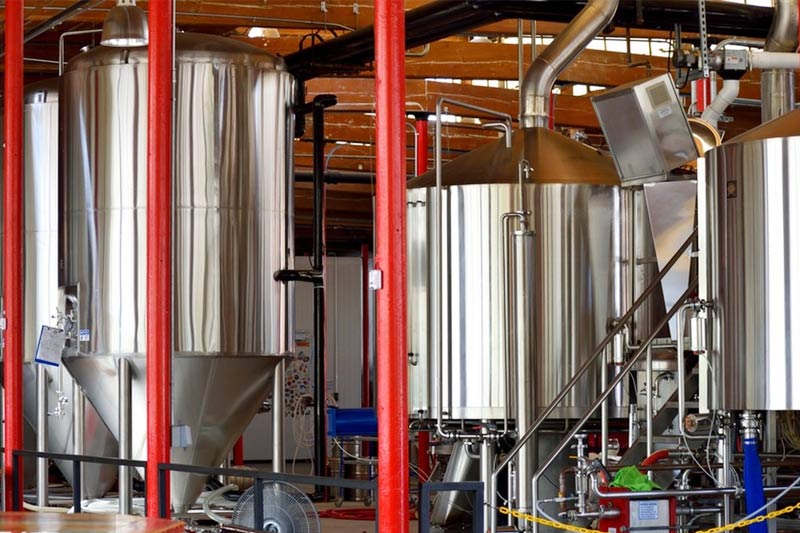
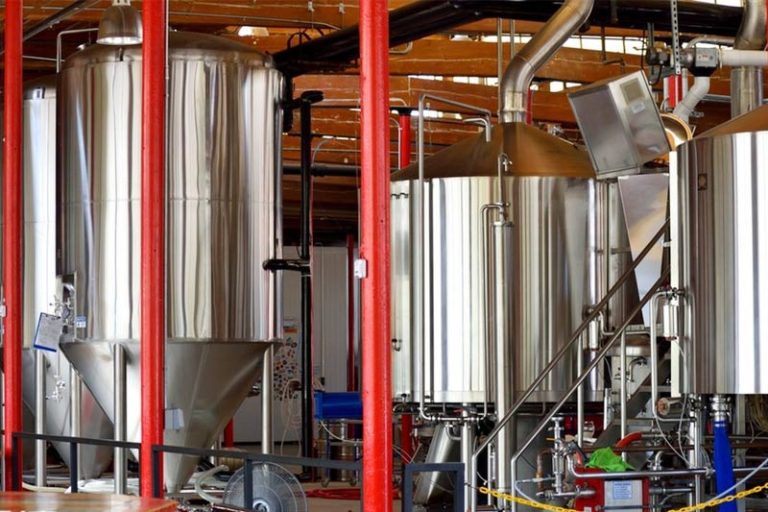
Stainless steel is the material of choice for most commercial fermenters. Stainless steel is durable, corrosion-resistant, and can be thoroughly sanitized, crucial in ensuring the highest quality and preventing contamination in large batches.

Advanced Features

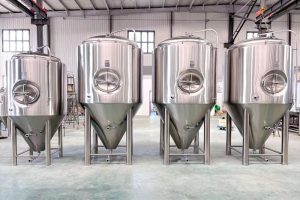
Commercial fermenters often come equipped with advanced features such as glycol jacketing or dual-wall construction. These features enable precise temperature control throughout the fermentation process, critical for consistent results.
How Home Brewing and Commercial Brewing Fermentation Tank Designs Are Different?

Yeast Management

Larger commercial fermenters usually include specialized yeast management systems, like built-in racking arms, cone designs for sediment collection, and pressure-release valves, allowing for more efficient yeast harvesting and handling.

Automation and Monitoring

Many commercial fermenters are integrated into brewing control systems that automate temperature, pressure, and other variables. This ensures uniform fermentation across multiple batches and minimizes human error.

Pressure Fermentation

Commercial breweries frequently employ pressure fermentation techniques, resulting in unique flavors and quicker turnaround times. Fermenters are designed to withstand higher pressures and can accommodate pressure relief valves and monitoring equipment.

Conclusion

While both homebrewing and commercial brewing share the common goal of turning wort into beer, the design and functionality of fermenters in each domain cater to their respective scales and objectives. Homebrewing fermenters emphasize versatility, experimentation, and simplicity, while commercial brewing fermenters prioritize efficiency, consistency, and the ability to handle large-scale production demands. Understanding these design distinctions sheds light on the diverse approaches taken by brewers of all levels to create their beloved beverages.
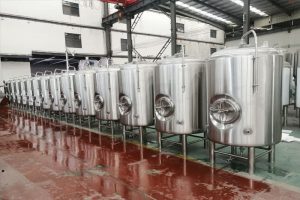
10bbl conical fermenter
Tanque de fermentación

Tanques de fermentación El tanque de fermentación es donde la cerveza lleva a cabo el proceso de fermentación, proporciona un lugar adecuado para las actividades
Read More »
10bbl conical fermenter
Tanque de fermentación

Tanques de fermentación El tanque de fermentación es donde la cerveza lleva a cabo el proceso de fermentación, proporciona un lugar adecuado para las actividades

Read More »
Get a turnkey solution for brewery equipment
If you plan to open or expand the brewery, you can contact Micet Craft directly. Our engineers will design and manufacture brewery equipment according to your brewing process. Of course, we will also provide you with a complete turnkey solution. Also, if you plan to expand the brewery, we will provide you with customized solutions.

Deja un comentario

Tu dirección de correo electrónico no será publicada. Los campos obligatorios están marcados con *

¡Espera! .......

¿Estás listo para poner en marcha tu negocio cervecero?

Somos expertos en equipo para elaborar cerveza y te ofrecemos soluciones a medida para tus necesidades. Tanto si vas a abrir una nueva cervecería como si quieres renovar tu equipo actual, estamos aquí para ayudarte.

Esto es lo que obtendrás si nos eliges:

  1. Soluciones a medida:

    Nuestro equipo de ingenieros diseñará equipos que se ajusten a tus especificaciones exactas, asegurándose de que se adapten perfectamente a tu negocio.

  2. Oferta especial « »:

    . Como agradecimiento por elegirnos, ofrecemos ofertas exclusivas para nuevos clientes. ¡Ponte en contacto con nosotros ahora mismo para saber más!

  3. Consejos de expertos:

    Con más de 16 años de experiencia en el sector, te ofrecemos asesoramiento profesional para ayudarte a poner en marcha o ampliar tu negocio cervecero sin problemas.

Nota: Tu dirección de correo electrónico se mantendrá en la más estricta confidencialidad.