Insistez sur l’esprit artisan pour fabriquer des systèmes de brassage de haute qualité

E-mail

sales@micetbrewing.com

Téléphone

+86-531-82979225

WhatsApp

+86 18615260186

How does a brewery handle the lees after brewing beer?

Comment une brasserie gère-t-elle les lies après le brassage de la bière ?

Beer is a popular alcoholic beverage around the world. Beer is produced by fermenting malted grains (barley malt) with the addition of hops and water. The beer brewing process includes malting, grinding, mashing, boiling, cooling and fermentation. Every 100 liters of beer brewed produces about 20 kilograms of by-products, of which brewer grains (SG) account for about 85%.
Table Of Contents
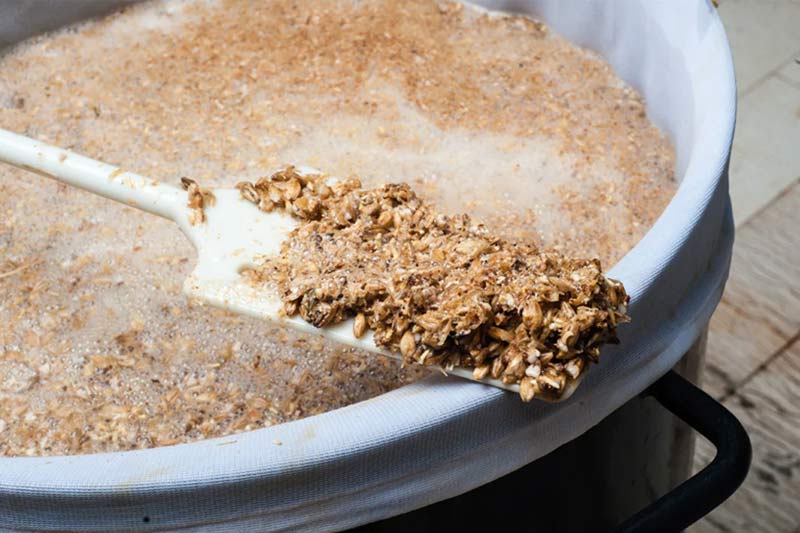
Distillers grains are the most abundant by-product of the beer brewing process, accounting for approximately 85% of the total beer by-product production. The grains are composed of barley husks, remaining endosperm starch grains, and other grain additives (such as wheat, rice, and corn), which give beer its unique flavor. Lees is the sediment of dead yeast or residual yeast and other particles that precipitate or carry through the « clarification » effect to the bottom of the tank for wine fermentation and aging. Often the wine is transferred to another container, leaving the sediment behind. Some wines are sometimes aged on the lees for a period of time, developing distinctive yeasty aromas and flavors. The lees can be stirred to absorb their flavor.
How does a brewery handle the lees after brewing beer?

Where does the lees come from?

When yeast is added to wine, it begins fermentation, converting sugar into alcohol and carbon dioxide when mixed with grape juice. when the yeast has consumed all the sugar in the wine, it will fall to the bottom of the fermentation vessel. That pile of moist, dense residual material is what’s known as grains. It is a mixture of dead yeast, grape skins, seed stems and tartarates that are then left to sit and discarded. Another type of lees, called fine lees, is made from dead yeast cells that settle at the bottom of the fermentation vessel. They have a silkier consistency than coarse lees and are both a by-product of the winemaking process and an ingredient in the aging process.

What does the lees taste like?

Also to adding to the creaminess of the texture, the release of fatty acids (from the breakdown of yeast cell walls) also adds to the aroma/flavor of the wine.
  • Sparkling wine: Sparkling wines aged in the traditional method on the lees for a longer period of time will add the flavor of toast, bread, cheese or buttermilk, and a floral aroma like elderflower, sometimes sweet. Nutty aroma.
  • White wine: Still white wine will also add yeasty flavors like sparkling wine. Additionally, lees aged in oak barrels will extract more aroma compounds from the wood, including sweet, caramel, smoky, clove, and umami or meaty vanilla notes.

What is the function of lees?

When yeast cells begin to break down during autolysis, they release trace amounts of sugars (called polysaccharides) and amino acids. The presence of these compounds can add texture or body to a wine that is felt through our tongue and palate. White and sparkling wines aged on lees are often described as creamier, richer, fuller-bodied, or richer and more complex in flavor.
What is distiller’s grains?

Flavor Complexity

Spent yeast cells release compounds during fermentation that contribute to the taste experience. These compounds may include esters, phenols, and other flavor-active molecules, resulting in more complex and nuanced beers.

Texture and mouthfeel

Also to flavor, lees can also affect the mouthfeel and texture of your beer. The presence of yeast cells can make the wine fuller and more delicate.

lees style

Some beer styles are particularly suited to the use of lees. For example, Belgian-style ales, saisons, and some sour beers often add lees to achieve a rustic character. The rich flavors and complex aromas of these styles are enhanced by the contribution of spent yeast.

Practical considerations for brewers

Proper handling and timing are critical to avoid odors or undesirable properties. Too, brewers need to experiment with different yeast strains and fermentation conditions to optimize the use of spent grains for a specific beer style.
By harnessing the potential of these once-discarded sediments, brewers can unlock new dimensions of beer flavor and complexity.

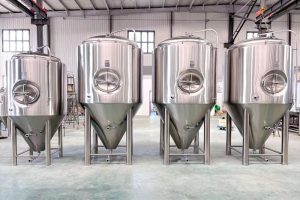
10bbl conical fermenter
Cuve de fermentation

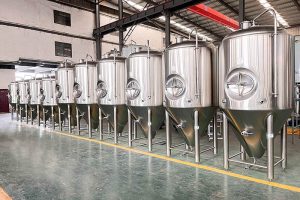
Cuves de fermentation La cuve de fermentation est l’endroit où la bière effectue le processus de fermentation. Elle fournit un lieu propice aux activités vitales
Read More »
10bbl conical fermenter
Cuve de fermentation

Cuves de fermentation La cuve de fermentation est l’endroit où la bière effectue le processus de fermentation. Elle fournit un lieu propice aux activités vitales

Read More »
Get a turnkey solution for brewery equipment
If you plan to open or expand the brewery, you can contact Micet Craft directly. Our engineers will design and manufacture brewery equipment according to your brewing process. Of course, we will also provide you with a complete turnkey solution. Also, if you plan to expand the brewery, we will provide you with customized solutions.

Laisser un commentaire

Votre adresse e-mail ne sera pas publiée. Les champs obligatoires sont indiqués avec *

Attendez ! .......

Êtes-vous prêt à vous lancer dans votre brasserie ?

Nous sommes les experts en matière de matériel de brassage de bière et proposons des solutions sur mesure adaptées à vos besoins. Que vous ouvriez une nouvelle brasserie ou que vous modernisiez votre équipement existant, nous avons ce qu’il vous faut.

Voici ce dont vous bénéficierez en nous choisissant :

  1. Solutions sur mesure:

    Notre équipe d’ingénieurs concevra des équipements répondant exactement à vos spécifications, afin de garantir une adaptation parfaite à votre activité.

  2. Offre spéciale « » :

    Pour vous remercier de nous avoir choisis, nous proposons des offres exclusives à nos nouveaux clients. Contactez-nous dès maintenant pour en savoir plus !

  3. Conseils d’experts:

    Forts de plus de 16 ans d’expérience dans le secteur, nous vous apportons un accompagnement professionnel pour vous aider à lancer ou à développer votre brasserie en toute sérénité.

Remarque : vos coordonnées électroniques resteront strictement confidentielles.