
Modern brewers face a real problem: they want to brew distinctive beer, but confusing equipment choices and risky DIY setups create wasted money, off-flavors, and safety issues. As a brewing equipment manufacturer, we solve this with complete, engineered systems that make each brew day predictable and profitable.
Brewers equipment includes everything you need to turn grain into beer, from mash tun and brew kettle to fermenter and packaging line, scaled for home brew, brewpubs, and full production breweries. Choose the right brewing systems and brewing equipment designed for your goals and you can brew beer consistently, safely, and efficiently.
What is brewers equipment and how does it shape your brew day?
When I talk with a new brewer, I start with a simple idea: brewers equipment is a system, not a random pile of hardware. Your mash vessels, stainless steel kettle, pumps, chiller, conical tanks, controls, and packaging gear must work together so every batch moves smoothly from hot side to cold side.
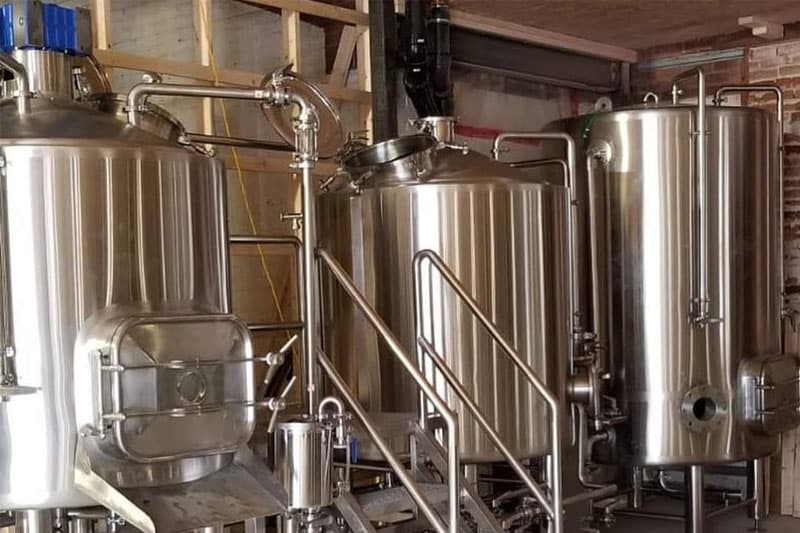
In our manufacturing plant we design high-quality beer brewing equipment as a complete process path: hot liquor tank, mash pot, brew kettle, whirlpool, plate chiller, oxygenation kit, fermenter, brite tanks, and CIP loop. For professional craft beer and serious homebrewing alike, this integrated layout protects temp control, cleanliness, and repeatability.
How do brew kettles, burners, and controllers work together?
At the heart of most brewing systems is the kettle. A good brew kettle does more than boil wort; it manages evaporation rate, hop utilization, and trub separation. We favor a double-jacketed stainless steel kettle with precise fittings, NPT ports for thermometer and sight glass, and an easy-to-clean interior for high-quality brewing in small batches or commercial brewing.
Heat can come from a propane burner, steam jackets, or electric elements. Modern electric brewing setups pair the kettle with a digital controller that automates power, temp, and pump speed. That controller keeps your boil vigorous but controlled, so malt sugars caramelize correctly while the wort stays clear and stable.
Choosing the right fermenter: from buckets to professional conical tanks
Many home brewers begin with plastic buckets or glass carboys, but serious brewers quickly upgrade to a stainless conical fermenter. A well-built fermenter gives yeast the right environment for clean fermentation, protects the beer from oxygen, and simplifies dry hop additions and yeast harvesting so every batch can improve.
Our brewing tanks are engineered for consistent temp control and easy CIP. We size them to match your brew day volume, whether you make beer in 10-gallon test runs or run multiple brews per day. Options like glycol jackets, racking arms, and sample valves help an experienced brewer dial in flavor, carbonation, and clarity with professional precision.
Mash, wort, yeast, and hop: what really happens in the brewing process?
Every brew starts with grain and mash. In a mash tun, hot water activates enzymes in the malt and converts starches to sugar. That sweet liquid, called wort, then moves to the brew kettle where it is boiled, sterilized, and seasoned with hop additions. This brewing process is the same whether you brew beer on a tiny pilot rig or a 50 hL brewhouse.

After boiling, the wort is rapidly chilled and aerated, then transferred to the fermenter. Yeast goes to work, consuming sugars and producing alcohol, CO₂, and flavor compounds during fermentation. Careful temp management, oxygen control, and sanitation here turn a simple grain brewing recipe into high-quality beer that matches your brand’s profile batch after batch.
To keep it simple, you can think of a modern brewhouse in four big stages:
- Hot side: mill, mash, lautering, and the boiling of wort in the main kettle
- Cold side: chilling, oxygenation, fermentation, and conditioning tanks
- Packaging: bright beer tanks, keg washer, bottling or canning lines
- Utilities: steam, glycol, compressed air, and water treatment backing every brew
Electric brewing vs propane burner systems: which is best for your brewery plan?
One of the biggest early decisions is how you will heat your brew. Electric brewing excels in tight urban spaces, upstairs brewpubs, and regions with high gas costs. Electric elements paired with a smart controller give you clean, quiet, and precise power that can integrate into automated brewing systems and your existing building management.
Propane burner or direct-fire systems still make sense for some small breweries and rural locations where gas is cheap and electricity is unreliable. A properly ventilated burner system paired with insulated kettles helps breweries keep capital costs low while they validate beer recipes and local demand. Later, many clients choose to upgrade to semi- or fully-automated steam or electric systems as production scales.
All-grain or starter kits: how should new brewers begin?
If you are just learning how to brew beer, you might ask whether you should jump straight into all-grain or start with extract-based starter kits. Both paths can work. Starter kits and beer making kits are great for testing whether you enjoy brew day, because they reduce complexity and hardware investment but still let you make beer that teaches the basics.
From our side as a professional manufacturer, we often support distributors who sell home brewing equipment and beginner brewing kits first, then phase customers into pilot-scale systems. That way, a homebrewer who loves beer at home can grow into a taproom owner using the same trusted brand of specialized beer brewing equipment, creating a smooth upgrade path in both brewing experience and capacity.
From kegging system to bottles: how to package and serve high-quality beer?
Once the beer is mature, you need a reliable way to package it. Many small operations begin with bottle filling, using simple counter-pressure tools to minimize oxygen pickup. Bottles are flexible and can showcase your branding well, but kegging and a full kegging system quickly become more efficient once volumes grow beyond a few small batches.
Draft systems with properly balanced lines, clean kegs, and accurate temp control are vital for serving high-quality beer at its best.
Here is a simple service checklist we share with new teams:
- Rinse and sanitize every keg before filling
- Check temp and carbonation before each shift
- Document every batch in your packaging log
Later, you might add canning lines, mobile can services, or distributor-focused packaging for a wider selection of beer styles and seasonal releases. As your brewing equipment designed for packaging grows, your brewery supplies and spare parts strategy also matters for uptime.

Essential fittings, NPT connections, hoses, and CIP for sanitary brewing
Sanitation is non-negotiable. Every brewer’s nightmare is a contaminated tank, so we engineer our systems around smooth welds, tri-clamp fitting points, and NPT ports where needed for instruments like a thermometer or oxygenation kit. The right hose materials, clamps, and gaskets help you sanitize quickly and keep flavor-spoiling microbes out.
On the cold side, CIP spray balls, dedicated brite tanks, and clearly mapped cleaning loops let your team sanitize with caustic and acid safely, then rinse to spec. We also help clients design written CIP protocols so every brew day is backed by repeatable workflows instead of guesswork, reducing both risk and labor.
Scaling from small batches to commercial brewing equipment
The craft beer market is still a high-value segment, forecast to be worth well over USD 200 billion worldwide within the next decade, even as overall beer volumes fluctuate. For serious beverage entrepreneurs, that means high-quality brewing systems are a long-term investment, not a hobby expense.
We specialize in commercial brewing layouts that let you start with pilot or 10-gallon rigs, then scale up through 5–30 hL brewhouses and matching fermentation cellar capacity. By standardizing controls, piping, and brewing tanks across your site, we make each batch predictable while also making future upgrade projects faster and less disruptive.
To match different business plans, we usually map equipment sizes to clear growth stages:
- Stage 1 – Pilot and recipe lab (1–3 hL): flexible tanks, fast changeovers, low utility load
- Stage 2 – Taproom and local draft (5–20 hL): higher cellar capacity, simple kegging, more automation
- Stage 3 – Regional distribution (20 hL+): multiple brewhouses, packaging lines, and dedicated QA spaces
Thinking in stages helps you choose brewers equipment that supports today’s demand without blocking tomorrow’s expansion.
Example: 10-gallon pilot system vs 10 hL brewhouse
| Stage | 10-gallon Pilot Setup | 10 hL Brewhouse Setup |
| Mash / Lauter | Single insulated pot with false bottom | Dedicated mash/lauter tun with rake and automated CIP |
| Boil / Whirlpool | Stainless steel brew kettle on propane burner | Steam-heated kettle with whirlpool and wort pump |
| Fermentation | 2–3 carboys or mini conical fermenter | Multiple jacketed conical fermenters with glycol loop |
| Packaging | Manual bottle filler, simple kegging | Semi-automatic kegging line, optional canning or bottling |
This structured approach to brewers equipment helps you compare CapEx, labor, and output clearly before you commit.
How to design a complete brewing system with grain mill, chiller, and wort pump?
A reliable brewhouse begins long before the mash. A good grain mill ensures consistent crush, which affects efficiency, lautering speed, and flavor. For serious brewers, we recommend owning your own mill so you control that variable instead of relying on pre-milled malt from suppliers.
On the hot side, the wort pump moves liquid between vessels, while an efficient chiller brings the wort down to yeast-friendly temp quickly. This protects delicate hop flavors, reduces the infection window, and keeps your brew day on schedule. When we design systems, we size pumps, heat exchangers, and piping together so there are no bottlenecks between stages.
Why work with a professional brewing equipment manufacturing plant?
As a brewing equipment manufacturing plant, we don’t just sell hardware; we build long-term brewing partnerships. We study how respected suppliers such as Blichmann Engineering serve advanced pilot systems and then apply those lessons to the commercial brewing industry at production scale. Our engineers use 3D layouts, piping and instrumentation diagrams, and on-site measurements to match each client’s building, utilities, and local regulations. That is how we deliver high-quality beer brewing equipment that fits from day one.
We support startup craft breweries, brewpub chains, winery and cider producers, beverage entrepreneurs, and distributors who need a wide selection of brewing supplies under one trusted brand. Because we handle design, fabrication, factory testing, and global installation, you can focus on beer recipes, staffing, and sales while we handle load calculations, utilities, and commissioning.
In practical terms, our team supports you at three key moments:
- Before installation: utility checks, layout drawings, and coaching on beer recipes and target batch sizes
- During installation: on-site supervision, operator training, and first-brew support so your brewer’s team feels confident
- After start-up: remote monitoring options, spare-parts planning, and continuous upgrade suggestions as your sales grow
Case study: from homebrew to a profitable craft beer brand
One of our favorite clients began as a passionate homebrewer running tiny small batches in a garage. With simple homebrew pots and borrowed carboys, he spent years learning grain brewing fundamentals, experimenting with malt, hop schedules, and yeast strains until his selection of beer styles won local awards.
When demand grew, he approached us for specialized beer brewing equipment. Together we designed a compact 5 hL system with conical fermenters, brite tanks, and an efficient kegging line. Within two years, that client expanded into a second location, upgraded to larger brewing tanks, and now exports craft beer to neighboring regions with consistent quality and strong margins.
Brewers equipment FAQs
What basic gear do I need to start brewing beer at home?
To start beer at home, you typically need a small brew kettle, fermenter, airlock, siphon, sanitizer, hydrometer, and a beginner kit that includes malt extract, hop pellets, and dry yeast. Many suppliers offer all-in-one homebrew starter kits that bundle the essentials in one box.
How is professional brewers equipment different from home brewing equipment?
Professional systems use heavier stainless, welded piping, automated controller panels, conical tanks, CIP loops, and larger pumps. The goal is to make repeatable, high-quality beer with lower labor per batch, while home brewing equipment focuses on affordability and flexibility for hobby use.
Do I really need a chiller and oxygenation kit?
Yes. Rapid chilling protects flavor, and adding oxygen before fermentation supports healthy yeast growth. Many breweries use inline oxygenation with a stone plus a dissolved-oxygen meter. Small operations can start with a simple immersion chiller and handheld oxygenation kit as an affordable upgrade.
Should I choose bottles, kegs, or cans?
Bottles are flexible and cheap, kegs are efficient for draft service, and cans are ideal for protecting hop-forward beer and outdoor channels. Kegs plus a small kegging system are usually the first step beyond bottling, while canning comes later when volumes justify the investment.
How important is cleaning and sanitation in brewing?
It is critical. Every hose, tank, and valve that touches cold beer has to be clean and fully sanitize-ready. Most professional breweries follow written CIP procedures and keep log sheets so every brew day uses the same cleaning chemistry, contact times, and verification steps.
Can you help me design and install a complete brewery?
Absolutely. As a professional brewing equipment manufacturer, we help with site planning, utilities, brewhouse sizing, fermentation cellar design, and packaging layouts. We also provide training so your team feels confident running the system from the first batch onward.
Final thoughts: turn your brewing vision into a real-world system
Whether you are a first-time homebrewer dreaming of a taproom or an experienced brewer planning a multi-site brewery, the right brewers equipment is the backbone of your business. From mill to mash, boil to fermentation, and kegging to distribution, every vessel and valve plays a role.
If you’re ready to upgrade your equipment, launch a new project, or just map out a smarter process, reach out to our engineering team. We will review your beer recipes, target batch sizes, and business plan, then propose a brewing system that fits your budget today and can expand with you tomorrow.