
1) What is a conical fermenter and why do brewers love it?
A conical fermenter is a fermentation tank with a bottom cone (typically 60°) that lets you dump trub, harvest yeast, and rack bright beer from above the sediment line. In practice, it keeps your wort journey tidy: ferment, dump, and transfer—without lifting a bucket or carboy.
Two core advantages drive adoption: (1) cleaner fermentation via sediment removal; and (2) repeatable yeast collection in a closed, sanitary pathway. Both improve clarity and consistency—and reduce oxygen pickup—so you get more clear beer and less hassle.

2) Stainless steel conical vs plastic fermenters: which material wins?
If you plan to go stainless, durability, heat tolerance, and easy CIP make it the pro default. Stainless steel conical tanks accept welded tri-clamp fittings and sanitary valves; they’re resilient to chemicals and hold pressure safely. That’s why breweries standardize on stainless steel fermenters—they’re robust, sanitary, and precise.
Plastic fermenters and plastic conical designs (like FermZilla) are lighter, cheaper, and—crucially—can be pressure-rated, letting you ferment and transfer under pressure. Clear PET helps visualize krausen height and trub levels, and modern PET provides strong O₂ barriers.
Quick comparison
| Feature | Stainless conical | Plastic conical (PET) | Bucket / Carboy |
| Pressure capability | Commonly up to 15 psi | Often 15–35 psi | Not rated |
| Cleaning (CIP/sanitize) | Excellent, heated caustic OK | Good; no hot caustic | Manual, limited |
| Oxygen barrier | Excellent | Good–Very good | Variable |
| Visibility | Opaque | Crystal clear PET | Glass is clear |
| Cost | Higher | Low–medium | Lowest |
| Upgrades | Ports, sight glass, coils | Pressure kits, coils | Limited |
Sources for pressure and fittings confirm these generalizations.
3) How does using a conical improve beer quality?
Using a conical lets you dump trub and yeast before flavors get muddy, reducing autolysis risk and letting hops shine—especially in IPAs. You can harvest clean pitches for fast turnarounds and stable strains. That means fewer off-notes, less oxygen exposure, and more consistent fermentation across gallon batches.
Brewers also like closed, pressure-assisted rack transfers. Whether you’re a homebrewer or running a small brewery, minimizing splashing keeps aroma compounds intact and oxidation low. In short, a conical fermenter might be the simplest upgrade for repeatable, professional results.
“The benefit of being able to remove the trub and harvest yeast is enough to justify a conical for many.”

4) Pressure-capable unitanks: why does 15 psi matter?
Fermenting under modest pressure (around 15 psi) can reduce esters/fusel production and enable closed transfers to keg or brite. Many premium stainless models (e.g., Blichmann Fermenator G4 and Spike CF5) are pressurizable to about this level for brew beer workflows that prioritize oxygen avoidance and clarity.
On the PET side, FermZilla Tri-Conical is rated up to ~2.4 bar (≈35 psi). That’s plenty for spunding, transfer, and even in-fermenter carbonation, delivering remarkable value in a stainless steel alternative for budget-minded teams.
5) Temperature control: from lager crispness to hazy juice
Precise fermentation temperature is flavor control. With stainless, it’s easy to add cooling coils and glycol. Systems like SS Brewtech’s FTSs hold setpoints tightly and are scalable from 7-gallon tanks to production cells—ideal for lager control or crash-cooling for secondary fermentation.
If you’re running a PET unit, a thermowell and coil loop also work. Whether stainless or PET, temp control protects delicate yeast character and gives you repeatable profiles. That’s how you turn “pretty good” into “tap-ready” every time.
6) Brand snapshots: Anvil, Blichmann, SS Brewtech, Spike, Grainfather & FermZilla
- Blichmann: The Fermenator G4 features welded tri-clamp fittings and ports, built made of stainless steel with a clean interior finish, and a 15 psi pressure-capable dome. If you want one piece of equipment to ferment, spund, and transfer, it’s a premium pick.
- Spike CF5: A compact stainless conical with adjustable racking arm; the Spike CF5 is designed around closed-loop processes and pressure transfer at 15 psi working pressure.
- SS Brewtech Chronical: The “Chronical” line pairs with FTSs for precise temperature control, from pilot to pro cellars.
- Anvil: The new Anvil Crucible™ Conical brings pressurizable performance to the value tier—great for stepping up from a bucket or carboy. (Check current specs for the anvil line you’re considering.)
- Grainfather: Known for integrated systems; its grainfather fermenter ecosystem streamlines heat exchange and controls for small-scale pro results.
- FermZilla Tri-Conical (PET) — Clear tank, pressure rated (~34.8 psi), great budget path to spunding and closed transfer.
- Micet’s stainless line — When you’re ready to “go stainless,” preserves those pressure benefits with CIP durability.
7) Is a bucket, carboy, or “big mouth” bubbler still worth it?
Buckets and carboys still make beer. A big mouth opening (think big mouth bubbler) eases cleaning and bubbler airlocks are cheap. But once volumes rise or you want to eliminate siphon transfers and do secondary fermentation in one vessel, conicals—stainless or PET—start saving time and improving consistency.
A plastic bucket is fine for first steps. For repeated batches, step up to a stainless steel conical fermenter or a PET plastic conical; it’s safer, cleaner, and future-proof. You’ll immediately notice easier dumps and brighter transfers.
8) Feature checklist: what to look for in the best conical fermenters?
Must-have features
- Bottom dump valve for trub and yeast removal
- Rotating or adjustable racking arm to pull bright beer
- Welded fittings and sanitary seams (stainless)
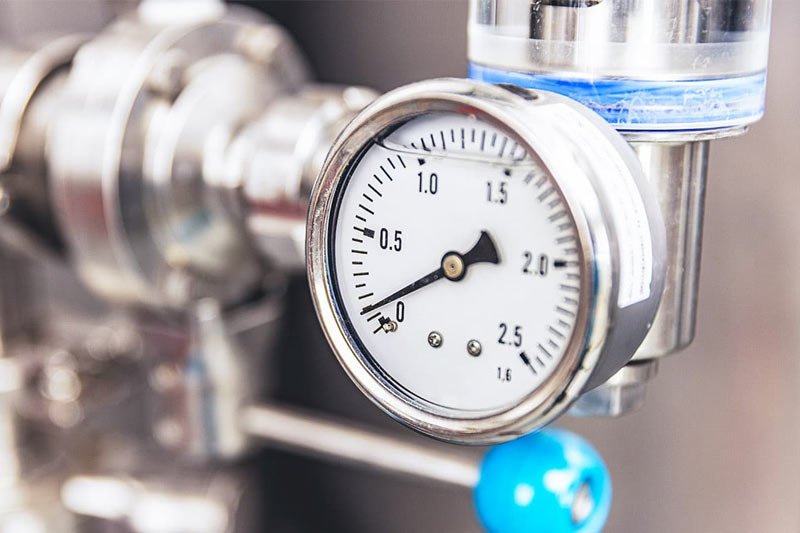
- Pressure rating (ideally 15 psi) and PRV
- Cooling ports, coil, or jacket for heating and cooling
- CIP spray ball and clamp connection(s)
- Thermowell, sample port, and sight glass (optional)
Spec ranges you’ll see
- Volumes from 7 to 30+ gal; pilot gallon batches to small pub scale
- Pressure ratings from 0 to ~35 psi (PET tops the chart)
- Welded vs weld-less fitting options in stainless (welded is pro-grade)
9) Case study: Clearer beer, faster turns (brewpub example)
A 10-bbl brewpub struggled with haze and slow turns on mead and lager. By swapping plastic fermentation vessels and glass carboys for jacketed conicals with PRVs, they:
- Reduced tank time by 10–15% through pressure-assisted transfers
- Reused house yeast 6×, cutting pitch costs by ~60%
- Improved clarity enough to skip an extra cold-crash day
These gains track with documented benefits of sediment dumps and closed yeast collection.
10) Cost vs value: where is the best value in a stainless?
Budget PET units (e.g., FermZilla) bring pressure at low cost. Stainless is pricier up front but lasts decades, tolerates heat, and integrates with glycol and CIP—vital for multi-product programs (IPAs, fruited ales, lager).
Which is the best value in a stainless? For many teams, a 7-gallon Blichmann or Spike CF5 gives flagship performance in a compact footprint. If you need a “hands-down best value” starting point, weigh FermZilla for pressure plus visibility; step into stainless as throughput grows.
11) From homebrewing to pro: sizing, ports, and growth paths
If you’re a homebrewer upgrading from a bucket or carboy, start with a 7–10 gal unitank and reuse yeast for efficiency. When you’re brewing frequently, add a second tank for staggered schedules. For micro setups, pick 1–3 brite-capable conicals and use PRVs for closed transfer.
Pro tip: pick tanks with extra port space for future accessories—a carb stone or a sampling valve—so your system scales with your brewing equipment plan.
12) Setups we recommend (by scenario)
Pilot R&D / nanobrew
- One stainless or PET conical with PRV
- Coil-based temperature control and simple glycol loop
- Closed rack transfer to mini-brite or serving keg
Taproom-first micro
- Three stainless unitanks with welded fittings
- Glycol chiller + FTSs-style controllers
- PRV 15 psi capability for pressure fermentation and transfer
Hybrid winery/cidery
- Conicals for speed and yeast reuse; jacketed brite for polish
- Keep a glass sight inline if you need to watch color pickup
13) Mini buyer’s table: popular models and signals
| Model | Pressure | Cooling path | Notable |
| Blichmann Fermenator G4 (7 gal) | 15 psi | Coil/jacket add-ons | Welded tri-clamp hardware, pro build. |
| Spike CF5 | 15 psi working | Coil kit | Adjustable arm; brite-capable in small format. |
| FermZilla Tri-Conical | ~35 psi | Coil kit | Clear PET; pressure fermentation + closed transfer. |
| SS Brewtech Chronical + FTSs | PRV ready | Glycol + FTSs | Tight temp control, modular scaling. |
14) Real-world workflow: a crisp lager and a juicy IPA
Lager run: Chill wort, pitch cool, lock temps with FTSs. Hold diacetyl rest, dump late trub, crash, transfer closed. Result: bright beer, clean sulfur profile.
IPA run: Dry-hop under mild pressure, dump hop sludge, and pressure transfer to brite. Expect more saturated hop aroma with less oxygen pickup—cleaner than open carboys or buckets.
15) Our manufacturing advantage (and how we customize yours)
- OEM/OEM ports and welded fittings placed to match your cellar
- Dome lids with extra port capacity for accessories and a CIP spray ball
- Jacket options sized for your chiller tonnage; heating and cooling skids available
- Surface finishes from 2B to mirror; optional sight glass; sanitary tri-clamp throughout
- Proof-tested PRVs and documented psi ratings
Whether it’s a single fermtank for trials or a turnkey set for a new pub, we build to your spec—and ship with global support.
16) Quick brand glossary (so you can compare like-for-like)
- Blichmann – Welded sanitary build; premium controls.
- SS Brewtech – “Chronical” line; FTSs Touch for precision temp control.
- Spike – Compact unitanks like Spike CF5; pressure transfers.
- Anvil – Value tier conicals; see the new Anvil Crucible™ Conical.
- Grainfather – Integrated ecosystems and easy upgrades.
- FermZilla – PET, pressure-rated, big performance per dollar.
17) Safety & maintenance notes
- Always stay within labeled psi limits and verify PRV function. (Typical community guidance: verify tanks hold around 10–15 psi during testing and use PRVs.)
- Sanitize thoroughly. Stainless tolerates hot caustic; PET needs gentler cleaners.
- Log valve cycles, fitting inspections, and gasket swaps—small steps that prevent big leaks.
18) A tiny “chart”: where conicals save you time (illustrative)
Hours Saved Per Batch (Typical Small Operation)
Dump/Sample/Transfer: ||||||||||| ~3–4h
Cleanup (CIP-ready): ||||||||| ~2–3h
Yeast Reuse (setup): |||| ~1–2h
Conicals consolidate steps and reduce manual handling. The bigger you scale, the more those small gains stack up.
Frequently Asked Questions
Is the upgrade worth it for homebrewers?
Yes. Many homebrewers report better clarity and cleaner transfers after switching to a conical fermenter. You’ll harvest yeast, avoid messy siphon steps, and move toward pro-style results even in small spaces.
Do I need pressure capability?
Not strictly—but a 15 psi rating unlocks spunding, closed transfers, and carbonation in the tank. Stainless (e.g., Blichmann) and PET (FermZilla) both offer pressure-ready models.
What accessories matter most?
A bottom dump valve, racking arm, thermowell, and a cooling loop. For stainless, pick welded sanitary fittings; add a tri-clamp PRV and a sample port.
Can I ferment cider, wine, or mead?
Absolutely. Conicals work across beer, mead, cider, and kombucha. The clean dumps and controlled fermentation speed up clarifying for multiple styles.
What if I stick with carboys?
You can make great beer in carboys, but conicals remove sediment and oxygen steps. If budget is tight, start with a PET plastic conical and upgrade later.
Who makes our favorite stainless steel pick?
For compact stainless, Blichmann G4 and Spike CF5 are our favorite stainless steel picks for pressure, finish quality, and long-term ROI.
Sources & further reading
- BYO on conical advantages and trub/yeast management.
- Blichmann G4 specs: welded sanitary fittings; pressure capability.
- Spike CF5: working pressure and small-format unitank details.
- FermZilla Tri-Conical pressure capability and use-in-one-vessel workflow.
- SS Brewtech FTSs: precision temperature control systems.
TL;DR – Key takeaways
- Conical fermenters simplify dumps, clean fermentation, and repeatable harvesting.
- Stainless steel wins for longevity, CIP, and welded sanitary fittings; PET wins on price and visibility.
- Pressure-capable models (15 psi) enable spunding and closed transfers—big quality gains for small money.
- For compact pro performance: Blichmann G4 (7-gallon) or Spike CF5. For budget pressure fermentation: FermZilla Tri-Conical.
- Plan ports for growth, lock temp control, and keep oxygen out.
- We build OEM/OEM conicals—stainless steel conical fermenter or PET—tailored to your space, with global delivery and service.
Ready to spec your tank?
Tell us your batch size, preferred port layout, jacket/cooling needs, and whether you want PRV-rated (15 psi) pressure capability. We’ll recommend the best conical option—best conical fermenters for your exact use case—and ship ready to install.