
Your first month can feel exciting and fragile at the same time. One sloppy transfer can ruin a batch. One rushed cleaning step can snowball into off flavors. Suddenly, your taproom reviews turn cold. The solution is simple but not easy: choose a brew system that truly fits your utilities, workflow, and tank plan so you can brew consistently.
The top three options usually fall into three categories: a compact electric setup for a fast launch, a mid-size brewhouse for steady output, and a modular path that lets a brewery scale without tearing everything out.
Executive Summary
- Pressure safety matters: The Brewers Association recommends ASME-rated tanks for processes above 15 psig, and MBAA safety guidance warns not to exceed 15 psig without documentation.
- EU compliance: PED 2014/68/EU applies to stationary pressure equipment with PS greater than 0.5 bar.
- Electrical safety: NFPA 70 (NEC) is a common benchmark for safe electrical installation and inspection.
- Cleanability is not automatic: 3-A SSI notes that equipment design must match the intended CIP method.
- Throughput is usually limited by tanks, not the kettle: Fermenter planning comes first.
- Growth-ready stainless layouts save money long-term: Expand utilities and tanks before replacing the brewhouse.
How Do You Choose the Right Nanobrewery Equipment?
In our brewing equipment manufacturing plant, I see the same mistake repeated: people buy hardware first and then try to force the business to fit it. The better approach is the opposite. Start with your weekly sales target, your staffing level, and your space. Then choose the brew system that supports those realities.
A simple method is to calculate tank turns per week. If you can realistically manage two brew sessions, do not buy a system that needs five brew sessions to hit your volume target. That is how many nano projects burn out early.
A practical planning range looks like this:
- 1.5 bbl system: great for variety, training, and pilot batches
- 3.5 bbl range: ideal for a busy taproom with core beers
- 5 bbl or larger: best once demand is proven and staffing is stable
Planning this way lets you start brewing with confidence rather than stress.
What Counts as a “Top” Nano Brewing System?
A top nano brewing system is not defined by brand names. It is defined by system’s features that keep quality stable on a busy brew day. When a brewer asks me how to make better beer, I ask what they will measure: gravity consistency, oxygen pickup, fermentation temperature, or cleaning time.
Four priorities never change:
- Repeatability: same recipe, same result
- Cleanability: every soiled surface can be verified clean
- Safety: written pressure and electrical documentation
- Serviceability: parts and customer support are accessible
This is where the AIDA model works naturally. Attention comes from your first release. Interest grows with consistency. Desire follows trust. Action is repeat orders and distribution interest.
Top Pick 1: All-in-One Brewing Kit for Tight Spaces
If you are looking to open quickly and your footprint is limited, an all-in-one brewing kit is often the fastest path to a working nano brew operation. These systems feel familiar to teams transitioning from home brewing and homebrewing into commercial production.
Electric brewing works well here because heat steps, pumps, and timing are handled by a simple control system. Many brewers describe this type of setup as a brew system that is ready right out of the box. That speed matters when cash flow is tight.
Buyers often compare layouts similar to brewtech designs or discuss the spike nano system because of its visibility in the brewing community. The brand is less important than the fundamentals.
Before buying, confirm:
- Power requirements for heating elements
- How the kettle drains and how the false bottom is inspected
- Whether cooling upgrades can be added later
This approach is ideal for starting a nano without overbuilding.
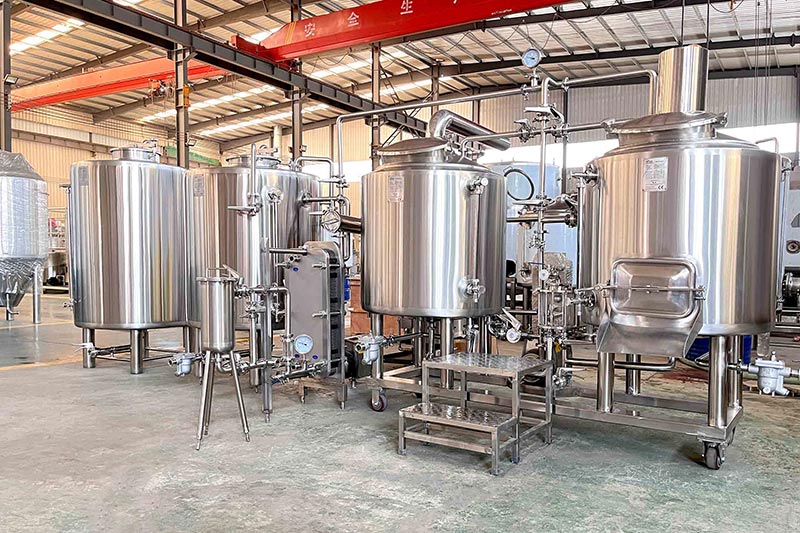
Top Pick 2: 3.5 BBL Brewhouse for Steady Weekly Volume
A 3.5 bbl brewhouse is a sweet spot for many nanobreweries. It supports steady production with fewer brew sessions and pushes teams toward professional habits. At this size, details matter more.
Some buyers look at ss brewtech layouts because they are easy to visualize, but the real value is clarity. Ask for exact utility requirements, pump specifications, and stainless finish details.
Two decisions have the biggest impact:
- Separate mash tun versus combined vessel
- Cooling capacity for active fermentation
When planned correctly, a 3.5 bbl setup supports consistent craft beer production without exhausting staff.
Top Pick 3: Modular Nano System with Growth in Mind
The third top option is a nano system designed to scale. This path makes sense if you expect growth, distribution, or collaboration with larger breweries.
A modular approach lets you start small, then add fermenter capacity, improve the chiller, and eventually move toward a 7 bbl brew schedule. When utilities and layout are planned early, expansion does not require demolition.
One owner described their goal as a “system that is ready rock” for real volume. The wording was rough, but the idea was sound: plan for tomorrow without overspending today.
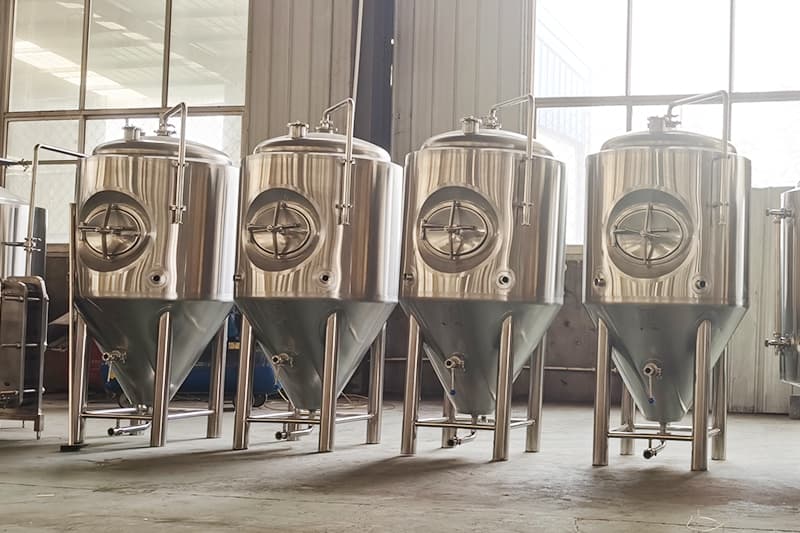
Fermenter Planning: The Real Production Limit
Your brewhouse makes wort. Your fermenter schedule makes sellable beer. Many nanobreweries struggle because they buy a brewhouse first and tanks later.
A simple rule: plan one extra fermenter beyond your immediate needs. This allows cold crashing, dry hopping, or holding finished beer without blocking the next batch.
Key points to consider:
- Fermentation temperature stability
- Jacket coverage and insulation
- Cleaning access and verification
A conical fermenter simplifies yeast handling, and unitanks add flexibility when pressure ratings are documented. Stable fermentation is one of the fastest paths to great beer.
Brew Day Workflow and Staffing Discipline
A successful brew day is not about speed. It is about zero surprises. Map the entire process before you buy equipment.
A basic workflow looks like this:
- Heat water and verify HLT volume
- Mill grain in a clean grain mill area
- Run mashing steps in the mash tun
- Transfer to the boil kettle
- Chill and transfer to the fermenter
- Clean, verify, and log results
This checklist protects quality and makes training new staff easier.
CIP and Cleaning Reality
CIP is powerful when the design supports it. 3-A SSI reminds us that equipment must match the intended cleaning method. Not every surface is best cleaned in place.
Effective cleaning combines:
- Drainable piping
- Verified spray coverage
- Targeted manual cleaning
If a system is described as easy to operate, ask to see a full CIP cycle with real timings.
Utilities Planning: Power, Cooling, and Heat
Electric systems reduce combustion risks but concentrate demand on electrical service and ventilation. Cooling is often underestimated. A chiller must handle hot knock-out and active fermentation at the same time.
Document these assumptions:
- Room temperature range
- Number of tanks cooling simultaneously
- Line lengths and insulation strategy
Smart utility planning is one of the biggest drivers of saving money long-term.
Setting Up Your Nanobrewery for Growth
Starting a nano-brewery is part engineering and part discipline. Separate grain handling from clean zones. Plan drainage. Label everything.
Avoid these common mistakes:
- Placing tanks where valves are inaccessible
- Running long, uninsulated glycol lines
- Delaying documentation until after installation
Think like a microbrewery even if you are small. That mindset helps you grow your business smoothly.
FAQs
How many brew sessions should I plan each week?
Base this on staffing and tank capacity, then select a brew system that meets volume targets without excessive sessions.
Can I carbonate in my fermenters?
Only if pressure ratings and relief devices are documented and appropriate.
Do nano systems need professional safety standards?
Yes. Pressure documentation, electrical compliance, and hygienic design apply at every scale.
What improves beer quality fastest?
Stable fermentation temperature, consistent cleaning, and standardized brew day checklists.
What should I ask manufacturers before buying?
Utility requirements, cleaning procedures, spare parts availability, and customer support response times.
Key Takeaways
- Choose a brew system based on workflow and utilities, not hype.
- Plan fermenter capacity before brewhouse size.
- Keep cleaning realistic and repeatable.
- Treat documentation as part of the purchase.
- Design an upgrade path so growth does not create waste.
If you want a practical next step, review your target weekly volume, available power, and planned tank count. With those three inputs, it becomes much easier to select the right nano brewing system and start brewing with confidence.