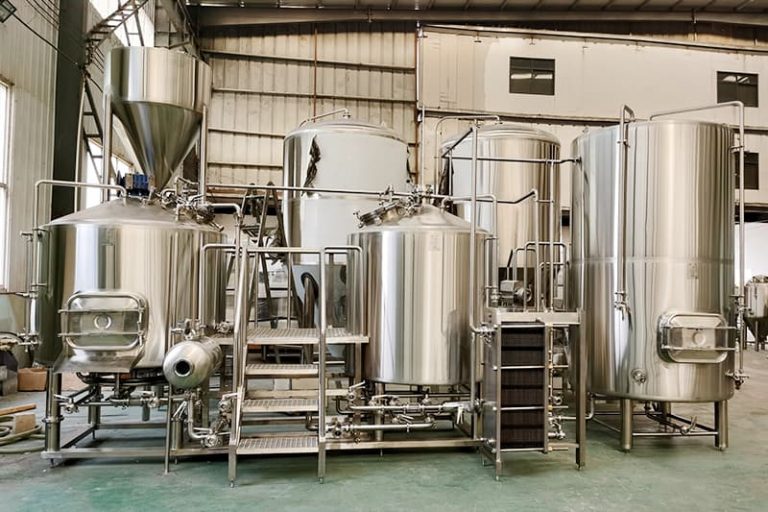
Buy online from Amazon or other similar businesses
- Shop around
- Looking for comments
- View seller ratings
- Get recommendations from friends or family members or brewing consultants
- You may also communicate directly with the seller

Il s’agit d’un petit petit système de brassage personnalisé par MICET pour un client cambodgien, accompagné d’un système d’essai de 100 L. Cette solution globale est compacte et entièrement fonctionnelle ; elle convient au démarrage de la production de bière, au développement de nouveaux produits et à la production expérimentale en petits lots. Ce petit

Chez MICET, nous avons conçu sur mesure un système de brasserie clé en main de 500 L pour notre client albanais, offrant une solution complète de brassage, du concassage à la mise en bouteille. Ce système rationalise les opérations, réduit les temps de mise en route et favorise une production efficace et de haute qualité

Il s’agit d’un système de brasserie artisanale de 10 BBL personnalisé par MICET pour un client britannique, conçu pour la production commerciale de bière artisanale. L’ensemble du système a été développé en tenant pleinement compte des niveaux d’automatisation et des besoins futurs en matière d’extension. Le système de brassage est équipé d’une cuve de brassage/filtration

Lors du salon Drink Japan 2025 à Tokyo, MICET a présenté deux équipements de pointe : le système de brassage à deux cuves entièrement automatique de 500 L système de brassage à deux cuves et l’ équipement de distillation multifonctionnel de 300 L. Système de brasserie Le système de brassage entièrement automatique à deux cuves

Il s’agit d’une machine de nettoyage de fûts à deux têtes conçue sur mesure pour une brasserie artisanale au Royaume-Uni. Elle répond aux défis liés au nettoyage, à la désinfection et à l’efficacité liés à l’utilisation répétée des fûts, et répond aux besoins quotidiens de la brasserie en matière de nettoyage en rotation de plusieurs
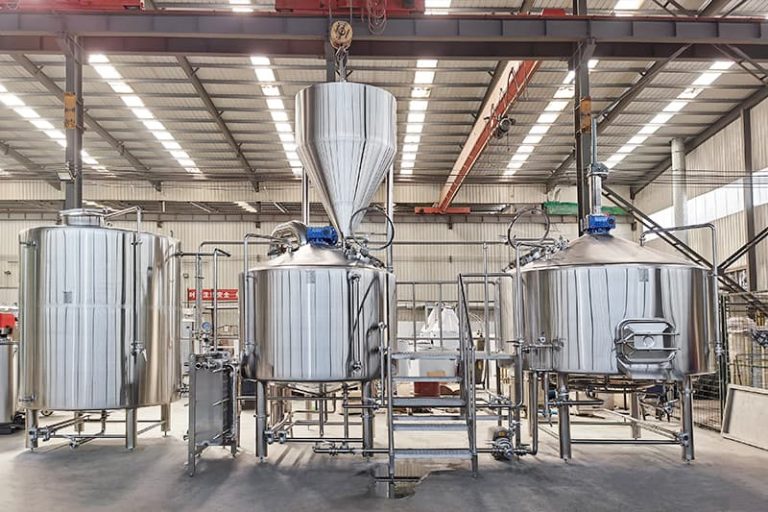
Have a complete equipment list and appropriate specifications
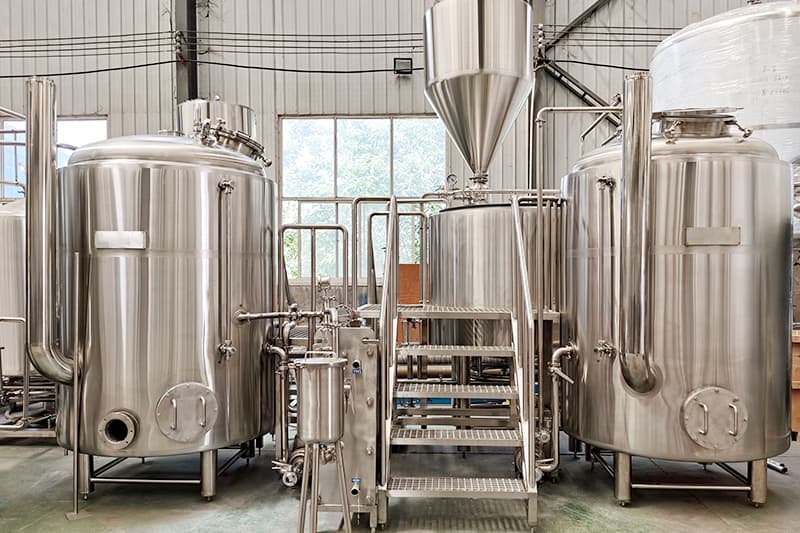
- How many vessels (2, 3, 4, or 5 vessel systems) will your brewery have?
- What is your preferred heating method?
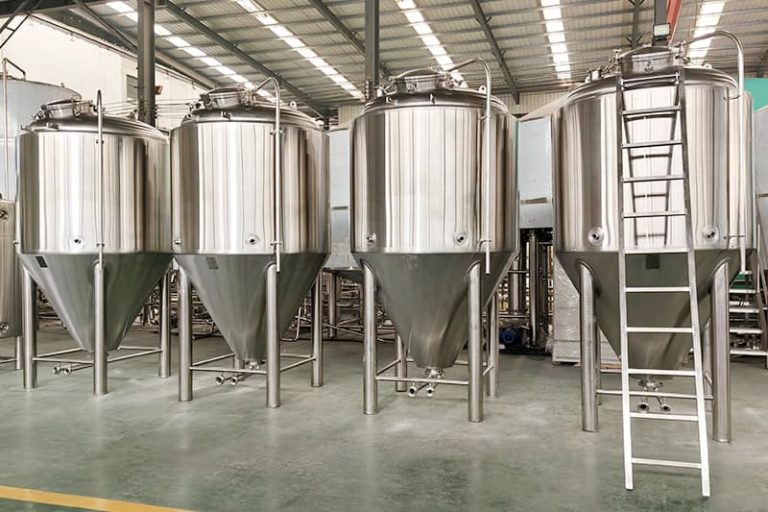
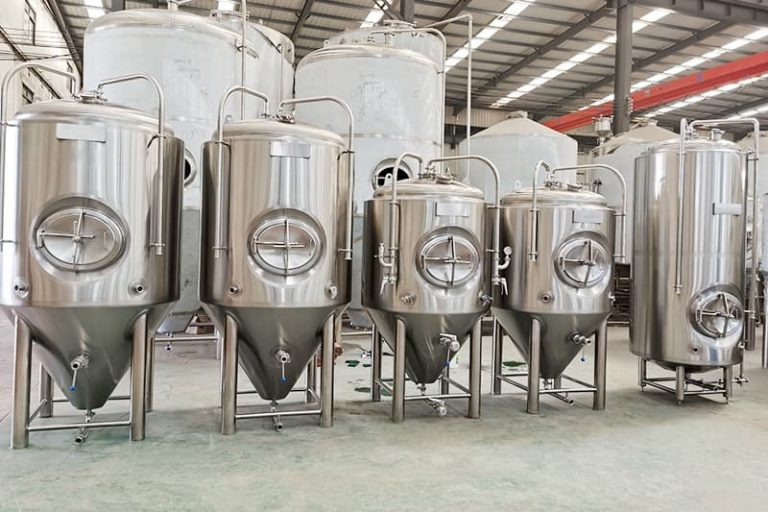
- How many fermentation tanks do you need, and what size and configuration do you need?
- Do you produce a lot of high-alcohol beers? Do you need an oversized mashing bucket?
- Are you going to mainly make lager beer?
- Is the horizontal fermentation tank more suitable?
Example of equipment list from the customer
Ensure that the equipment complies with local regulations
- Electrical wiring and installation must comply with Australian standards
- Fermentation tanks and pressure vessels must be designed and registered in Australia
- Tanks with individual temp controllers, PID’s and glycol solenoids wired-up on-board skid
- Spunding Valves
- 9” dry-hopping ports on the top of each tank
- Carbonation Stones in Each Tank
- Racking Arms
- All Tri Clover Fittings 1.5”
- Steam Condensing Stack on Kettle Heat Exchange
- Mash Rakes and Plough
- Supplied with steam pipework, traps, strainers, and valves fitted to vessels ready to connect to single 1.5” BSB fitting from existing steam network
Where to buy brewing equipment?
Conduct research and get customer reviews
- How was the communication during the project – is it easy for the company to grasp when needed, and did they keep you up to date throughout the process?
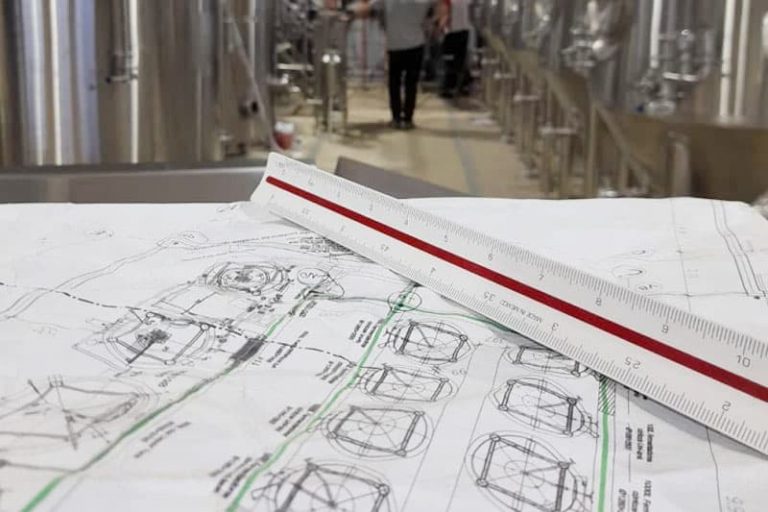
- How is the installation of the equipment progressing? How about communication when planning the layout and design of the brewery?
- What is the aftermath after the completion of the project?
- Every brewery will encounter some problems after a few months of operation. How can manufacturers help solve these problems, what have they done, and what are the solutions?
Compare
- brewhouse equipment
- Cellar tank
- Glycol system
- Heating system
- Keg cleaner
Negotiation
Show suppliers that you understand your industry
Let them know they are appreciated
Price negotiation
Conclusion
- Clarify your requirements
- Good communication with manufacturers
- Respect (relationship)
- There is a written agreement (agree to the specification list) instead of just a contract
- Understand that manufacturers also want to be profitable
- Develop an agreed payment plan suitable for both parties
- Ensure that inspections are carried out at critical stages