
Struggling with inconsistent brews and equipment that degrades over time? Poor equipment choices can ruin your beer’s flavor and your business’s reputation. The solution is investing in high-quality stainless steel brewing equipment, the professional standard for purity, durability, and control.
Stainless steel is the ultimate material for brewing equipment due to its exceptional properties. It’s non-reactive, ensuring it won’t impart unwanted flavors to your beer. Its durability guarantees a long service life, and its non-porous surface makes it incredibly easy to clean and sanitize, which is crucial for preventing contamination. This combination of inertness, longevity, and hygiene makes stainless steel the undisputed champion for brewers aiming for consistent, high-quality results in their brewing operations.
As a leading manufacturer of brewing equipment, we’ve guided countless entrepreneurs—from startup craft breweries to established beverage producers—through the critical process of selecting the right equipment. This comprehensive guide will delve into the nuances of stainless steel, helping you understand why it’s the cornerstone of modern brewing and how to choose, use, and maintain the perfect system for your needs.
Why is Stainless Steel the Gold Standard in the Brewing Industry?
The move from traditional materials like wood and copper to stainless steel marked a revolution in the brewing industry. The reason is simple: stainless steel offers an unparalleled combination of benefits that are essential for creating exceptional beer. Its robust nature of stainless steel ensures that it can withstand the demanding physical conditions of a busy brewery, from high temperatures to heavy use, for decades.
Here are the primary advantages of stainless steel:
- Corrosion Resistance: The chromium in stainless steel creates a passive, self-repairing oxide layer that protects the metal from corrosion caused by acidic wort, water, and harsh cleaning chemicals. This prevents metallic off-flavors from tainting your brew.
- Hygienic and Easy to Clean: The surface of stainless steel is smooth and non-porous, leaving no place for bacteria and wild yeast to hide. This makes cleaning and sanitation—paramount in brewing—incredibly effective, safeguarding every batch from contamination.
- Flavor Neutrality: Stainless steel is inert, meaning it won’t react with your ingredients or impart any unwanted flavors or aromas to the beer. This ensures that the final product tastes exactly as you designed it.
- Durability and Longevity: A well-maintained stainless steel brewing system is a long-term investment that can last a lifetime. It resists scratches, dents, and the high-pressure, high-temperature cycles of the brewing process.

What Grade of Stainless Steel is Best for Brewing Equipment?
When it comes to stainless steel, not all grades are created equal. The two most common food-grade stainless steel types used in the brewing industry are 304 and 316. According to the ASTM A240/A240M-20 specification, these grades have distinct chemical compositions that dictate their performance. Understanding their differences is key to choosing the right equipment for your specific brewing operations.
304 stainless steel is the workhorse of the brewing world. It offers an excellent balance of corrosion resistance, durability, and cost-effectiveness, making it suitable for almost every piece of equipment in a brewery, from tanks to pipes. The U.S. Food and Drug Administration, under CFR Title 21, part 177.2600, recognizes austenitic stainless steel series like 304 as safe for food-contact surfaces.
316 stainless steel contains an added element, molybdenum, which significantly enhances its resistance to corrosion, particularly from chlorides and acids. While more expensive, it’s often recommended for breweries located in coastal areas (where salty air can be a factor) or for equipment that will have prolonged contact with highly acidic or saline solutions.
| Feature | 304 Stainless Steel | 316L Stainless Steel |
| Composition | 18% Chromium, 8% Nickel | 16% Chromium, 10% Nickel, 2% Molybdenum |
| Corrosion Resistance | Excellent for general use | Superior, especially against chlorides and acids |
| Common Uses | Fermenters, bright tanks, kettles, mash tuns | Parts in contact with harsh chemicals, coastal breweries |
| Cost | More affordable | Higher initial investment |
For most brewing applications, 304 stainless steel provides the perfect combination of performance and value. However, as your manufacturing partner, we can construct your equipment using 316L upon request to meet specific environmental or process needs.
What is the Essential Stainless Steel Equipment for a Brewery?
A successful brewing journey starts with the right brewing setup. Whether you’re a small brewpub or a large-scale production brewery, a core set of stainless steel equipment is essential. As experienced equipment manufacturers, we provide complete, turnkey solutions tailored to your production goals.
The heart of any brewery is the brewhouse, where wort is created. This typically consists of:
- Mash/Lauter Tun: This vessel is where crushed grains are mixed with hot water to convert starches into fermentable sugars. Our designs ensure efficient lautering to separate the sweet wort from the spent grains. You can explore configurations like a 2-vessel-brewhouse for a compact and efficient setup.
- Brew Kettle/Whirlpool: Here, the wort is boiled with hops to add bitterness, flavor, and aroma. The whirlpool function helps to separate solid particles (trub) from the liquid wort before it’s cooled.
- Hot Liquor Tank (HLT): This tank heats and holds the water used for mashing and sparging.
After the brewhouse, the wort moves to the cold side of the brewery:
- Fermenters: These are arguably the most critical tanks in the brewery. This is where yeast transforms wort into beer. We specialize in high-quality stainless steel conical fermenters, which allow for easy yeast harvesting and sediment removal.
- Brite Tanks: After fermentation, beer is often transferred to a brite tank for clarification, carbonation, and conditioning before packaging.
- Supporting Equipment: This includes pumps to move liquid, heat exchangers for rapid cooling, a glycol chilling system to control fermentation temperatures, and a CIP (Clean-In-Place) system for efficient sanitation.
How Do You Choose the Right Stainless Steel Fermenter?
Choosing the right fermenter is a critical decision that directly impacts the quality and consistency of your beer. A high-quality stainless steel fermenter provides a sanitary, controlled environment for yeast to perform its magic. When selecting one, consider features like pressure relief valves, sample ports, and temperature control jackets.
The design of the fermenter is crucial. Conical fermenters are the industry standard for a reason. The cone-shaped bottom allows yeast and sediment (trub) to collect in a concentrated area, making it easy to harvest yeast for repitching or to dump trub without having to transfer the entire batch of beer. This not only saves time but also minimizes the risk of oxidation and contamination. The ability to precisely control temperature with glycol jacketing is another key feature, as it allows you to maintain the optimal fermentation profile for different yeast strains and beer styles.

How Can Modern Stainless Steel Brewing Systems Elevate Your Brewing?
Investing in a modern, well-designed brewing system can dramatically improve your efficiency, consistency, and the overall quality of your craft beer. Modern systems integrate thoughtful design with automation to streamline the brewing process. From precisely engineered mash tuns that maximize sugar extraction to automated temperature controls that ensure perfect fermentation every time, every component is designed to work in harmony.
At our facility, we leverage advanced 3D modeling and fabrication techniques to create custom stainless steel solutions that fit your space and production goals. An automated brewing system can control temperatures, pump speeds, and valve operations, freeing up the brewer to focus on the art of recipe creation rather than manual labor. This level of control leads to a more consistent product from batch to batch, building your brewery’s reputation for quality. For breweries looking to scale, a system like a fully integrated 15bbl brewing system can be a turnkey solution for growth.
How Do You Properly Clean and Maintain Your Stainless Steel Brewing Equipment?
The longevity and performance of your stainless steel brewing equipment depend on a proper cleaning and maintenance regimen. While stainless steel is renowned for being easy to clean, there are important best practices to follow to protect your investment.
Cleaning Procedures:
- Initial Rinse: Immediately after use, rinse vessels with warm water to remove loose soils.
- Alkaline Wash: Use a suitable caustic or non-caustic alkaline cleaner like Powdered Brewery Wash (PBW) to break down organic materials such as proteins and hop resins.
- Acid Wash: Periodically, an acid wash is needed to remove mineral scale (beerstone). Phosphoric acid is a common choice.
- Final Rinse: Thoroughly rinse with water to remove all cleaning chemicals.
- Sanitization: Right before the next use, sanitize all surfaces with an agent like peracetic acid (PAA) or an iodophor solution to eliminate any remaining microorganisms.
Important Maintenance Tips:
- Never use bleach. Chlorine-based chemicals can cause pitting corrosion on stainless steel surfaces, creating microscopic holes that can harbor bacteria and compromise the tank.
- Avoid abrasive materials. Do not use steel wool or abrasive scrubbing pads, as they can scratch the passive layer of the stainless steel, making it susceptible to rust and contamination. Use soft cloths or non-abrasive pads.
- Passivation: New equipment should be passivated to ensure a strong, uniform chromium oxide layer. Based on the ASTM A967/A967M-17 standard, this process uses an acid solution (like nitric or citric acid) to remove free iron from the surface and enhance corrosion resistance.
Why Partner With an Experienced Beer Equipment Manufacturer?
Embarking on your brewing journey—whether it’s launching a new brewery or expanding an existing one—is a significant undertaking. Partnering with an experienced and reputable beer equipment manufacturer is one of the most important decisions you will make. We don’t just sell steel; we provide comprehensive solutions and act as a true partner in your success.
With years of experience and projects across the globe, we understand the challenges brewers face. Our expertise goes beyond fabrication. We offer:
- Custom Design: We work with you to design a brewing system that fits your specific needs, budget, and physical space. Our services extend to a wide range of beverages, including specialized cider making equipment.
- Quality Fabrication: Our commitment to using high-quality materials and adhering to stringent welding and finishing standards ensures your equipment is built to last.
- Full Support: From initial design to installation, training, and after-sales service, we are with you every step of the way. We provide the technical support you need to get your brewing operations running smoothly.
- Global Reach: We have the capability to deliver and support our high-quality, customizable brewing equipment to entrepreneurs and brewmasters worldwide.
Choosing the right partner means investing in reliability, quality, and a support system dedicated to helping you brew the best possible product.
Frequently Asked Questions about Stainless Steel Beer Brewing
How long does stainless steel brewing equipment last?
With proper care and maintenance, a well-maintained stainless steel brewing system can easily last for decades. The robust stainless steel material is designed to withstand the rigors of a commercial brewing environment, making it a sound long-term investment.
Can I use stainless steel for home brewing?
Absolutely. Many of the benefits seen in commercial brewing—such as durability, ease of cleaning, and flavor neutrality—are just as important for home brewing. There are many stainless steel beer brewing kits and smaller fermenters available for home brewers looking to elevate their craft.
What is passivation and why is it important for stainless steel?
Passivation is a chemical treatment process for stainless steel that enhances its natural corrosion resistance. According to the ASTM A967 standard, it removes surface contaminants like free iron and promotes the formation of a passive chromium oxide film that protects the steel from rust and corrosion.
Can I brew beverages other than beer in stainless steel equipment?
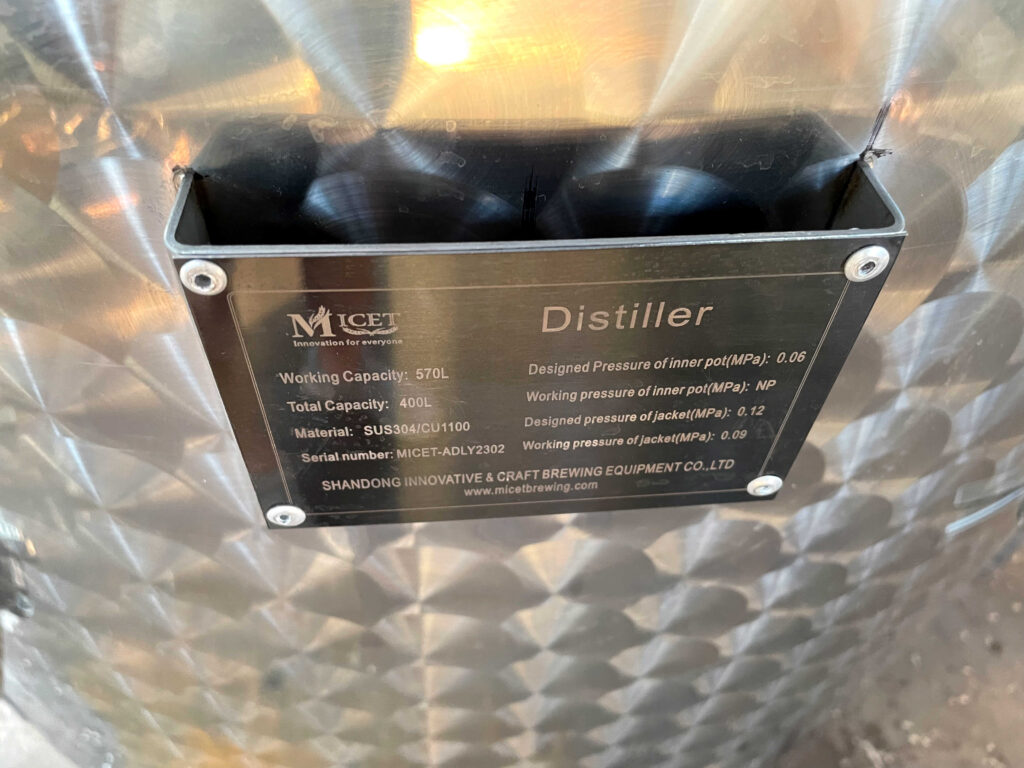
Yes. The same properties that make stainless steel ideal for beer also make it perfect for producing wine, cider, kombucha, and spirits. Its inert nature ensures product purity regardless of the beverage. We also manufacture specialized kombucha brewing equipment and distillery systems.
Is it okay to use used stainless steel brewing equipment?
Used equipment can be a cost-effective option, but it requires careful inspection. Check for any signs of pitting, corrosion, or bad welds that could be difficult to sanitize. Ensure all valves and seals are in good condition. Buying new from a reputable manufacturer guarantees quality and comes with warranty and support.
Key Takeaways for Your Brewing Success
- Stainless Steel is Superior: It is the industry standard for brewing equipment due to its durability, corrosion resistance, flavor neutrality, and hygienic properties.
- Choose the Right Grade: For most breweries, 304 stainless steel offers the best balance of performance and cost, while 316 provides enhanced corrosion resistance for specific situations.
- Invest in a Complete System: A well-integrated system from the brewhouse to the fermenters and brite tanks is key to efficient and consistent production. Explore our range of beer brewing equipment to find the right fit.
- Proper Maintenance is Crucial: Regular, correct cleaning and avoiding harsh chemicals like bleach and abrasive pads will ensure your equipment lasts a lifetime.
- Partner with Experts: Working with an experienced manufacturer provides you with not just equipment, but also expert guidance, custom solutions, and ongoing support for all your brewing system needs.
References
- ASTM International. (2020). Standard Specification for Chromium and Chromium-Nickel Stainless Steel Plate, Sheet, and Strip for Pressure Vessels and for General Applications (ASTM A240/A240M-20).
- ASTM International. (2017). Standard Specification for Chemical Passivation Treatments for Stainless Steel Parts (ASTM A967/A967M-17).
- U.S. Food and Drug Administration. (2023). Code of Federal Regulations, Title 21, Part 177.2600 – Rubber articles intended for repeated use. (Note: This regulation is frequently referenced for establishing the inertness requirements for food-contact surfaces, which materials like austenitic stainless steel meet).