
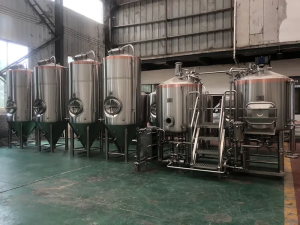
Electric Brewing Equipment
Electric brewing equipment has become increasingly popular among homebrewers and microbreweries looking to automate and control the beer production process. This guide provides a detailed overview of the various types of electric brewing systems available, their key features and specifications, guidance on selection and purchasing considerations, operating procedures, maintenance best practices, and more. Overview of
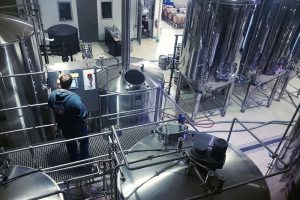
Automated brewing equipment industry trends
Brewery equipment includes apparatus and equipment for the production of alcoholic and fermented beverages from grains. They are used in large and small breweries to produce and process beer of all sizes. Automated “all-in-one” home brewing systems produce high-quality beer in a variety of flavors and styles.
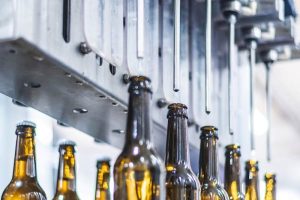
Craft beer bottling and packaging
Beer is one of the most popular drinks in the world. The popularity of craft beer has grown in recent years. With so many types and styles of beer available, each bottle must be packaged and presented in a way that showcases the drinker’s experience. Also to the beer brewing process, we will also learn how beer bottles are made and packaged with the help of nitrogen.
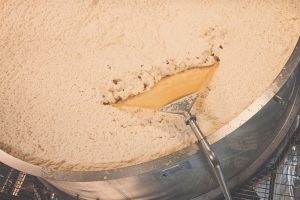
The role of oxygen in beer fermentation
When brewing, exposure to too much oxygen during the brewing process can cause oxidation, which can destroy the flavor and aroma of your beer, cider, or wine. Yeast uses oxygen more for energy, so fermentation occurs only when necessary. The process of brewing beer involves several steps, including fermentation, the process of converting sugar into alcohol and carbon dioxide. Fermentation is a critical step in beer production and requires a range of conditions to be successful, including the presence of oxygen. In this article we discuss the role of oxygen in beer fermentation.
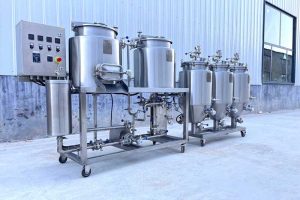
The importance of using stainless steel for beer equipment
The brewery is committed to producing high-quality beer that meets the tastes of its customers. One key factor that plays a big role in achieving this is the type of equipment they use. Stainless steel beer equipment has become a must-have for breweries around the world due to its many advantages. Stainless steel is also used in food service and manufacturing. As an industry-leading manufacturer of stainless steel brewing equipment, including fermenters, distillation systems, and more, we have a proven ability to provide turnkey stainless steel brewing solutions to breweries of all sizes.
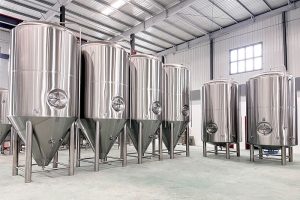
What is the difference between Unitanks and bright tanks?
There are many details that go into the brewing process, and each represents a choice that affects the quality of your beer. Take, for example, the equipment you use to store beer while it ferments or matures. For fermentation, aging or maturation, Brite tanks and Unitanks are both good choices. But there are some factors to consider that may make one better than the other. Here, you’ll learn the differences between Brite tanks and Unitanks so you can make a more informed decision.
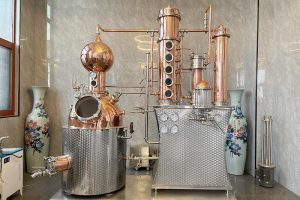
Types of distillation
Distillation is a unit process used in chemical industries around the world to separate the components of a mixture. Distillation is the process by which a liquid evaporates and is converted into a vapor which is then condensed and collected in a container. There are three main forms of distillation: fractional distillation, simple distillation, and destructive distillation. Each method serves a different purpose and plays a vital role in extracting the desired substance or purifying the compound.

Can beer be brewed without fermentation?
Fermentation, the magical process that uses yeast to convert sugar into alcohol and carbon dioxide, has been the cornerstone of beer production for centuries. As technology advances and interest in alternative brewing methods grows, new questions arise. Can beer be brewed without fermentation? Let’s study this topic together next.

What is the use of steam in a brewery?
In breweries, steam plays a vital role in maintaining high hygiene levels, cleaning brewing equipment and hard-to-reach areas, and ensuring consistent beer flavor. Breweries rely on steam heating processes, the primary one being for kettles and producing hot water for sterilization.

How does a brewery handle the lees after brewing beer?
Beer is a popular alcoholic beverage around the world. Beer is produced by fermenting malted grains (barley malt) with the addition of hops and water. The beer brewing process includes malting, grinding, mashing, boiling, cooling and fermentation. Every 100 liters of beer brewed produces about 20 kilograms of by-products, of which brewer grains (SG) account for about 85%.